Make your organisation’s knowledge usable
I help organisations and IT teams turn their knowledge about systems, projects, and workflows into structures that hold up in daily work: findable, current, and independent of individual people.
Inaccessible knowledge is a risk
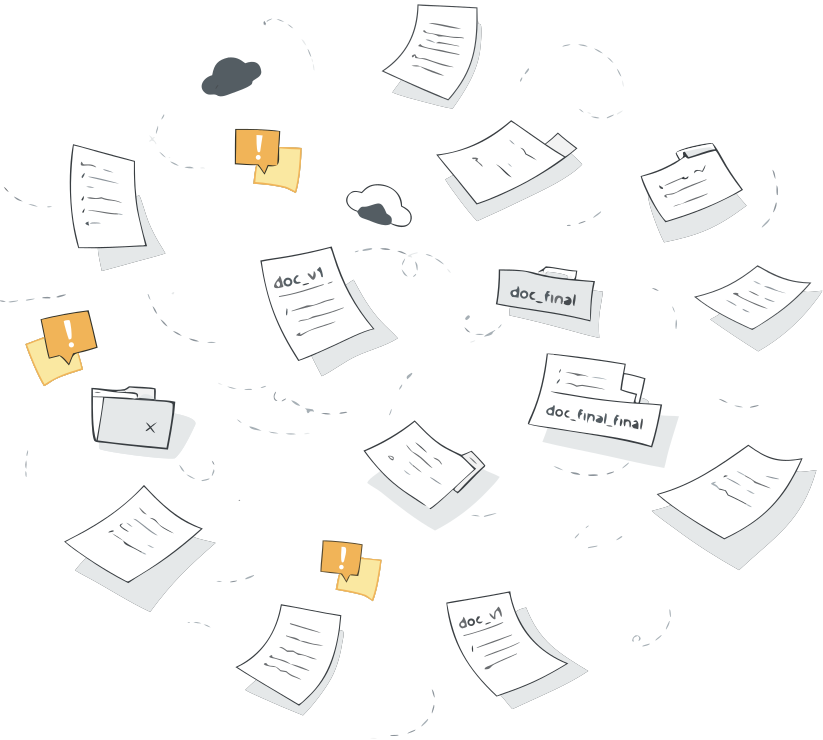
“How do we do this again?” “Is there documentation for this?” “Is the guide still up to date?” Questions like these come up when experience and context exist only in people’s heads.
When an experienced colleague leaves the team, the knowledge about workflows, decisions, and edge cases leaves with him. And new colleagues spend weeks piecing together what could have been documented.
That costs time and creates dependencies: follow-up questions interrupt work, outdated instructions lead people astray, and the same knowledge is worked out again and again or drifts apart.
Organisations invest a lot in software, infrastructure, and processes. The knowledge about them grows every day, but is rarely maintained with the same care.
From scattered knowledge to clear structures
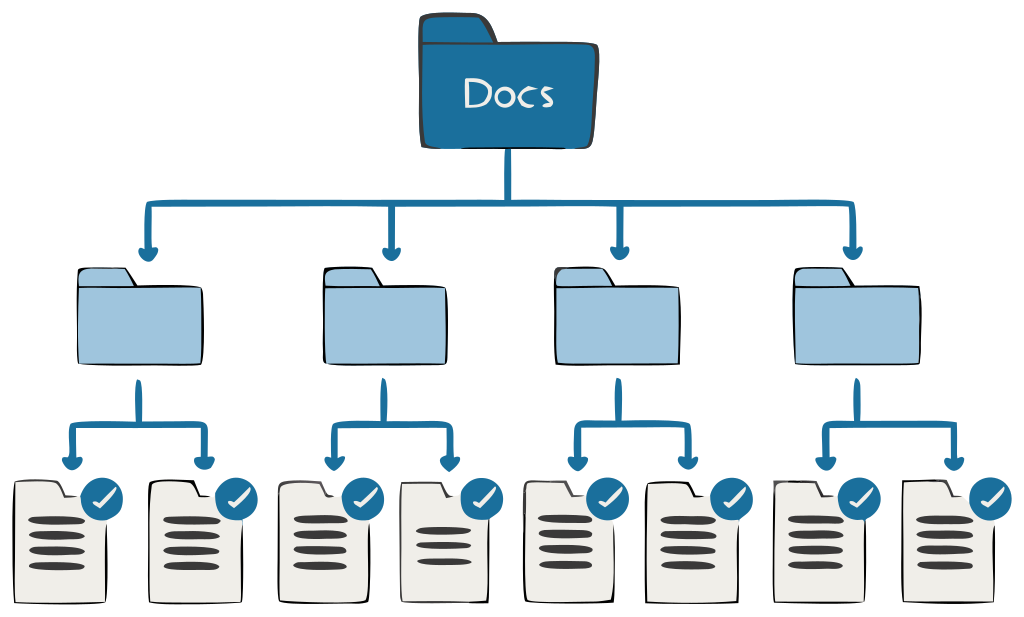
For knowledge to stay usable, it takes more than individual documents: clear structures, defined responsibilities, and regular maintenance. This systematic approach is called Documentation Engineering: documentation is treated like a system that grows with the organisation.
That is exactly where I support you: I analyse what knowledge exists and where the gaps are, organise existing content, and build clear structures, for software and infrastructure as well as for workflows, responsibilities, and internal processes.
The result is a knowledge base your team actually works with: a repository with a clear logic, documented workflows, and standards that assign new content to the right place on their own.
How we work together
Collaboration starts with a concrete problem or area, for example a system without documentation or onboarding that takes too long. In an initial conversation we clarify the starting point and goal; after that come the analysis of existing structures, the planning of scope and priorities, and step-by-step delivery.
Often the outside perspective helps: it shows what is missing, what is duplicated, and where structures are unclear, blind spots that go unnoticed in daily work. Good collaboration needs little from your side, but it matters: a clearly defined scope, a fixed contact person for questions, access to the relevant information, and subject-matter input when context is needed.
I work in the systems you already use. New tools only become part of the solution when they bring clear value. I use AI deliberately to draft and structure content; context, decisions, and responsibility stay with people.
Want to know where your organisation stands on documentation and knowledge management? In a no-obligation conversation you will get an initial assessment and concrete next steps.